

Cloud Server and VPS are two popular virtual server models for data storage today. In fact, Cloud Server is being chosen by more and more businesses and organizations due to its many outstanding advantages compared to traditional VPS.
TPCloud has listed the outstanding advantages of renting a Cloud Server instead of a traditional VPS, making it easier for businesses to choose the right system.
What is VPS?
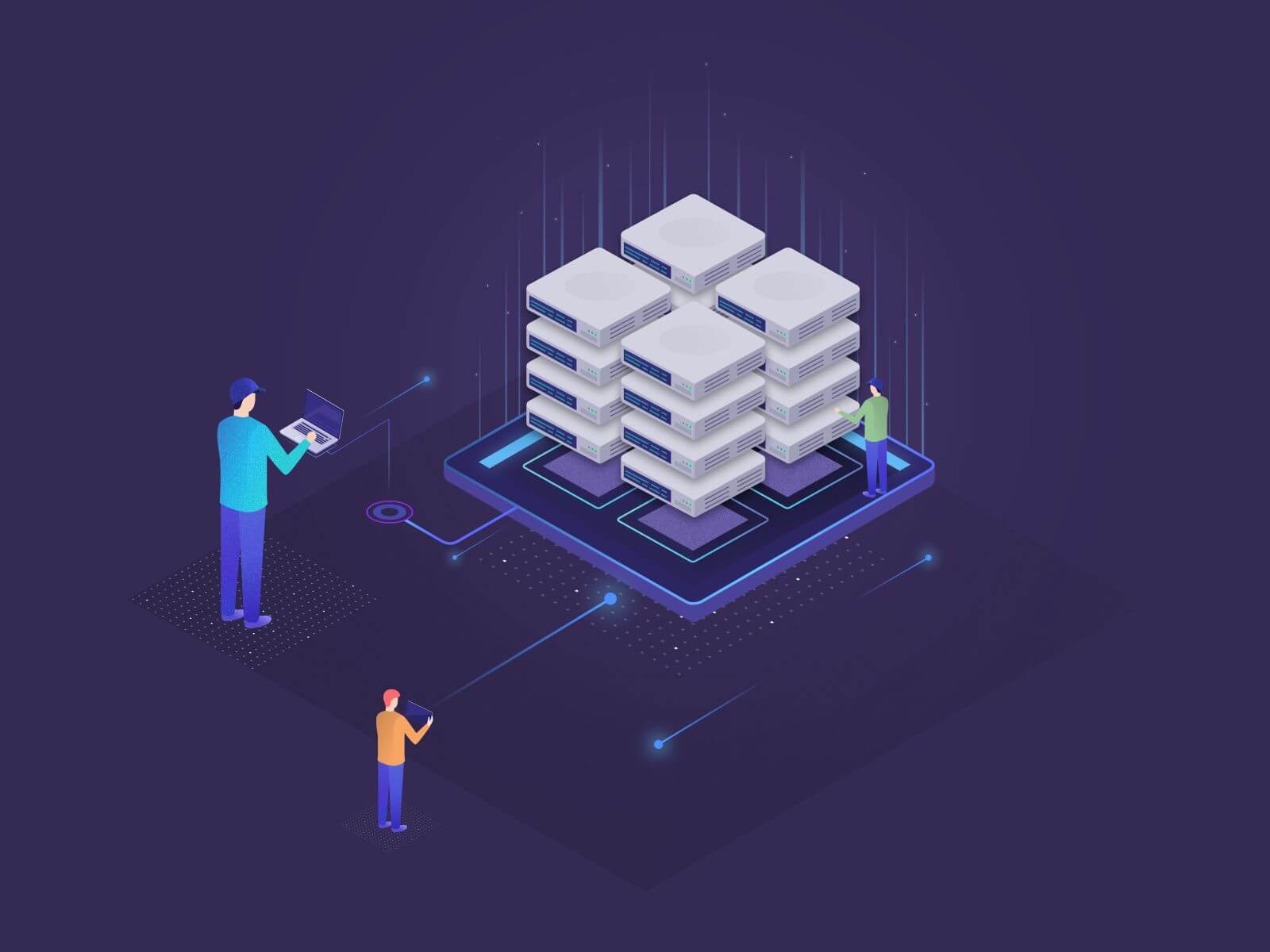
A VPS is a virtual server that operates as a server with its own resources.
A VPS (Virtual Private Server) is a type of virtual server, formed by dividing a physical server into multiple different virtual servers. Each VPS operates by sharing resources from the original physical server, but has its own operating system, CPU, RAM, and hard drive.
What is a Cloud Server?

A Cloud Server is a cloud server Cloud Server, or cloud server, provides a virtual cloud server developed on the foundation of cloud computing technology. Cloud Servers have many outstanding advantages such as fast access speeds and large storage resources. In addition, cloud servers offer stability, high security, and simplified user operation.
Advantages of renting a Cloud Server instead of a traditional VPS
Renting a Cloud Server has many advantages Instead of renting a traditional VPS.
Flexible Resources
Upgrading resources on a traditional VPS is not flexible. Because VPSs have certain limits on the threshold for increasing hardware specifications, the ability to expand resources is relatively low. Besides, upgrading resources on a traditional VPS requires specialized skills and a significant cost.
In contrast, Cloud Servers allow users to upgrade flexibly. Because they have high scalability and a relatively high threshold for increasing hardware specifications. At the same time, users can upgrade resources with just a few simple steps at a low cost.
Fast Deployment
For VPS, the setup process is quite complex and time-consuming, at least 30 minutes. VPS users must fulfill numerous information requirements and wait for confirmation before the server can be used.
Cloud Server systems allow customers to create virtual servers with just a few simple clicks, within 5-10 minutes.
Payment options are available.
For traditional VPS, businesses choose a suitable VPS service package and pay a fixed monthly price.
When renting a Cloud Server, businesses rent a virtual server and its hardware on an hourly basis. Cloud Server calculates the detailed hourly cost based on its calculation interface. Therefore, businesses only pay when they use the service and resources, saving costs.
Performance
The processing speed of a VPS depends on the hardware of the physical computer hosting the VPS. Therefore, when the hardware degrades and its performance decreases over time, it will affect the processing speed of the VPS.
Meanwhile, the operation of a Cloud Server largely depends on an intelligent and robust infrastructure. It is capable of monitoring the performance of the hardware to automatically allocate resources appropriately to the server. This helps businesses ensure maximum performance.
API Channels
img src=”https://tpcloud.vn/wp-content/uploads/2026/02/ulUHQbCCSxKQIwbLp7L8vzRMTUm_hFNyELusZ7c9zAfGqv7UARMWcHo8Afdw8LfMk3JFtRtlayOsKKBxkE1s1nlsRqFQ7RR1CvKPF7j7sco5R7wXBmitRvO3EWKeZlhT9yX0T1_y.jpeg”/>
Cloud Server providers support powerful API channels. An Application Programming Interface (API) is middleware that allows applications to communicate with each other. It has many features such as: managing virtual servers, monitoring system resources, processing data, etc.
Currently, no VPS provider supports public APIs for customers.
In contrast, Cloud Server providers offer very strong API support for users due to the flexible customization capabilities of the API.
Network Infrastructure Customization
The customization capabilities of traditional VPS are limited because they are heavily dependent on fixed infrastructure, located on a single physical server.
Meanwhile, cloud virtual server systems have the ability to operate with a very high degree of customization. Because it is deployed across multiple devices and smart infrastructures, and receives strong management support from internal API channels.
Resolving Issues
When the physical server containing the VPS fails, it must undergo hardware upgrades or system maintenance to resolve the issue. This significantly impacts the progress and performance of the business.
During Cloud Server rental, when the user’s server experiences problems, the provider can immediately switch to another physical server. They will then perform maintenance on the faulty server without affecting the existing cloud servers. This helps ensure that business operations can run continuously and stably.
This article shares the advantages of renting a Cloud Server instead of a VPS to help businesses choose the appropriate hosting service. If you are looking for a reputable Cloud Server or VPS rental, please refer to TPCloud’s product. Cloud server services based on the VMware platform offer many benefits in business operations or IT applications in production.
If you have any needs, don’t hesitate to contact our hotline: (+84) 96803 6868 or visit http://www.tpcloud.vn/ for free consultation.
div