

What is Cloud Computing?
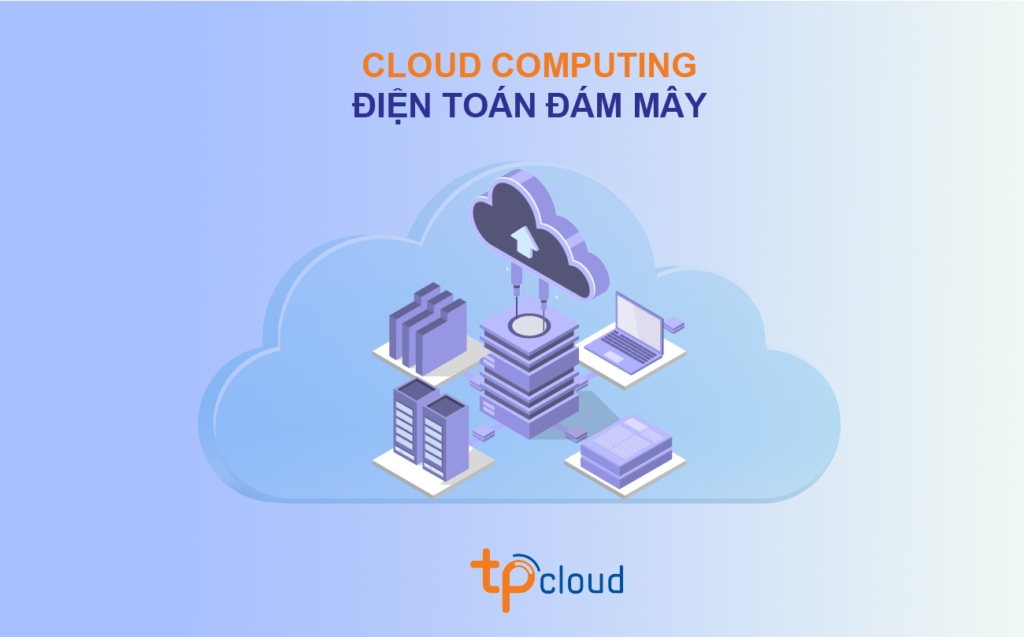
Cloud Computing is the provision of computing services, offering resources tailored to user needs entirely via the Internet. These services can include servers, storage, software, etc.
User documents will then “float somewhere on the virtual cloud” using reputable solutions such as Google Drive or OneDrive. With just an internet connection, users can access and work with those documents anywhere and anytime.
Benefits of Cloud Computing?
By storing user information on “virtual clouds” through several solutions, Cloud Computing offers 7 outstanding benefits.
Cost: Cost savings is the first benefit that Cloud Computing brings to users. Instead of spending a significant amount of money investing in an entire server system for data storage, system location, and annual operating and maintenance costs, users only need to spend a small amount to maintain them, allowing them to focus more on other work without worrying about system operation and maintenance.
Scaleability: The second benefit is flexible scalability. This means users will be allocated the exact amount of resources needed for their usage. Resources can be added whenever needed and at the desired geographical location.
Performance: The third benefit is performance. The largest cloud computing services operate on a secure network of data centers worldwide. These are regularly upgraded to increase efficiency and security. Compared to a small company’s data center system, this offers greater benefits such as reduced network latency and economies of scale.
Security: The fourth benefit is security. Many cloud service providers offer a range of policies, technologies, and controls to strengthen user security. This helps protect data, applications, and infrastructure from potential threats or frequent cyberattacks.
Speed: The fifth benefit is speed. Most cloud computing services today are on-demand. You get as much as you need. Even large amounts of resources are provided within minutes of user demand. Therefore, there’s no need to worry about planning and calculating appropriate capacity anymore. Normal usage is possible, and additional resources can be added instantly with just a few clicks.
Productivity: The sixth benefit is operational productivity. With cloud computing, users don’t have to spend money or assign staff to system management, operation, or maintenance tasks. This allows the team to focus on other specialized tasks to increase productivity and work efficiency.
Reliability: The ultimate benefit is the reliability of the system. Cloud service providers like TPCloud always have measures and technologies to help users back up and protect their data in the safest and most secure way.
Service Models
Cloud computing service providers offer their services according to 3 basic models:
ul
li
Infrastructure as a Service (IaaS)
li
ul
li
Platform as a Service (PaaS – Platform as a Service)
Software as a Service (SaaS – Software as a Service)
-
Hybrid cloud: A combination of both forms above. Bound together by technology to ensure privacy. This model gives businesses more options and helps optimize their existing infrastructure.
In which IaaS is the most basic and each higher model summarizes the details of the lower models. In 2012, Network as a Service (NaaS) and Communication as a Service (CaaS) were officially added by the International Telecommunication Union as part of the basic cloud computing models, types of services recognized within the telecommunications cloud ecosystem.
Deployment Models
Private Cloud: A type of resource used exclusively by a particular organization or business. At this time, all IT system resources within the enterprise are shared across a network of computing servers, helping the enterprise utilize resources most efficiently and securely, optimizing financial resources and minimizing investment risks for fixed costs.
Public cloud: This type of cloud is owned and operated by an intermediary service provider. These service providers deliver their computing resources, such as servers and storage, entirely via the Internet. All hardware, software, and infrastructure are owned and managed by the service provider through web browsers.