

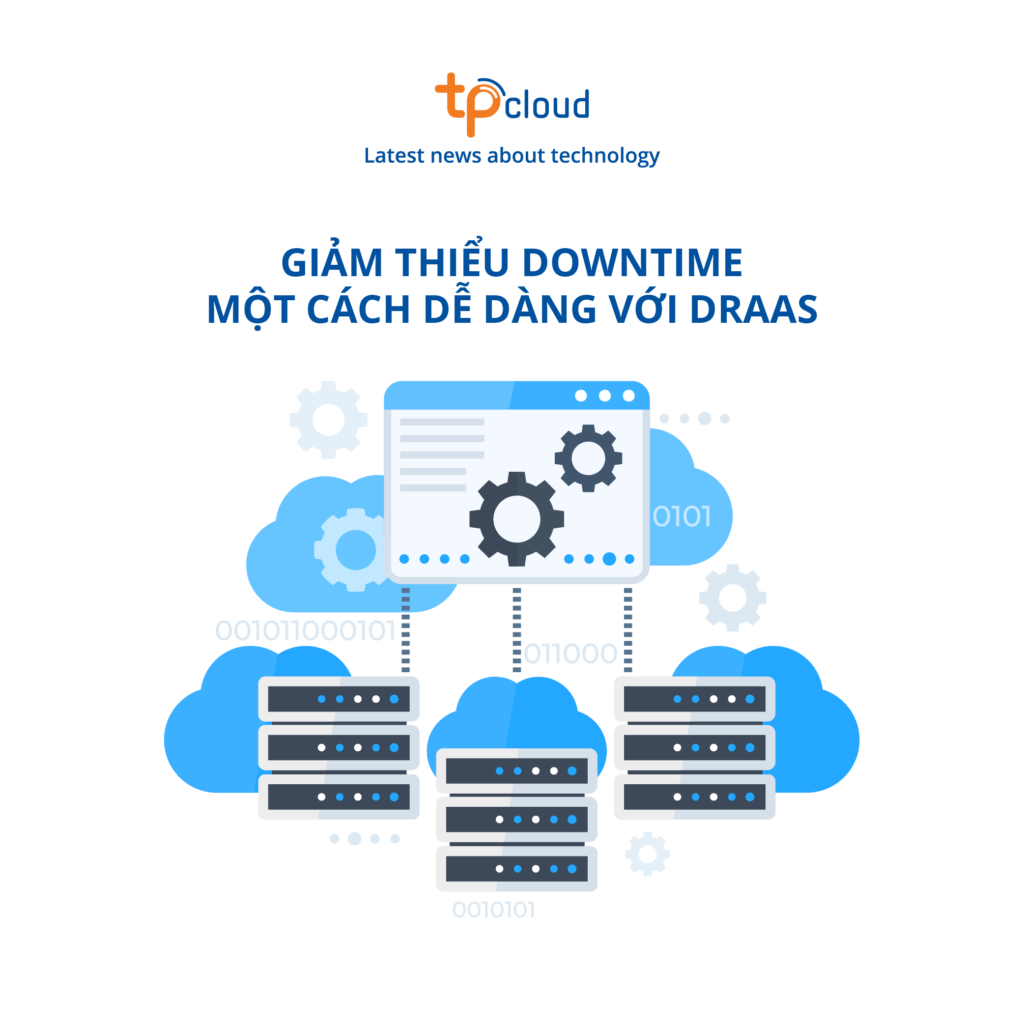
The storage, security, high availability, and strategic readiness of IT resources for successful recovery in the event of any natural disaster are top priorities for companies today. To mitigate these risks, chief technology officers (CTOs) need simple, reliable services that require no new capital expenditure and are easy to audit. Fortunately, service providers are now making disaster recovery more efficient and convenient than ever before. Therefore, IT leaders are increasingly prioritizing cloud-based disaster recovery services (DRaaS) as a simple and cost-effective solution to be prepared for any situation.
How do natural disasters impact businesses?
Earthquakes, tsunamis, fires, floods, and deliberate human-induced impacts, including ransomware and sensitive data breaches, are becoming increasingly significant challenges for businesses and dominating news headlines. They not only affect business operations but are also a major cause of revenue loss. Technology leaders need insurance plans to prepare for the worst possible disasters.
The reality is that the disaster recovery (DR) capabilities of many businesses still lag far behind current operational requirements.According to the Arcserve Data Resilience Survey (2022), only 24% of businesses have a “mature” DR plan, even though 95% of organizations reported having developed one.
One of the main reasons stems from the excessively high cost of backup infrastructure and a lack of skilled cloud technical personnel. This leads to many businesses failing to achieve their recovery goals. According to the Veeam Data Protection Trends Report (2024), only 58% of organizations met the recovery SLAs in the most recent DR audits. Even with DR plans in place, readiness levels are uneven. The Business Backup Survey 2024 shows that only 64% of businesses successfully pass the data recovery test, reflecting the risk of prolonged downtime if a major incident occurs.
Cloud-based disaster recovery (Disaster Recovery as a Service – DRaaS)
According to the survey Fortune Business Insights, the global cloud-based disaster recovery market Demand is growing strongly, reaching $12.8 billion in 2024 and projected to expand to $64.4 billion by 2032 at a CAGR of 22.5%. This growth reflects the increasing need of businesses to ensure system continuity against disruption risks. Within the application group, real-time replication accounts for 28.4%, indicating businesses prioritize solutions with near-instantaneous recovery capabilities to minimize operational impact. Furthermore, the trend towards hybrid cloud and managed DRaaS continues to increase, showing that most organizations desire to combine the flexibility of a multi-cloud model with in-depth technical support to optimize costs, security, and operational efficiency.
[Image of the global DRaaS market overview] (Source: Fortune Business Insights)
The strong growth of the DRaaS market shows that more and more businesses are prioritizing disaster recovery solutions to ensure business continuity. As demand increases, choosing a reliable service provider becomes paramount. Businesses need not only a stable platform but also a service that is highly integrated, easy to operate, and compatible with their existing technology architecture. This is why criteria for evaluating DRaaS providers are increasingly important, especially for organizations that adopt virtualization technology on a large scale.
VMware – a reputable and high-quality DRaaS service provider
VMware, a long-standing leading company in the field of virtualization and cloud services, has made it easy to find a suitable DRaaS provider certified by VMware with the VMware vCloud® Air™ Network – a global ecosystem of over 4,000 cloud service providers in more than 100 countries offering validated services based on VMware technology.
To consider and choose a reputable provider that suits your company, first answer the following questions:
1. Will that provider and their service meet the company’s needs?
Businesses should look for a reliable provider that can deliver excellent customer service and meet any required certifications, and consider the cost of using that service, rather than adding or expanding second websites onwards.
2. Is the service easy to use?
One of the main drawbacks of traditional data recovery methods is that they can be too complex to install and maintain long-term. Therefore, a cloud-based solution must be easier to manage, configure, and test.
3. Is this service compatible with on-premises environments?
A suitable DRaaS solution should easily integrate with your existing platform without requiring major configuration changes to your environment or standard tools.
Many vCloud Air Network service providers offer easy-to-use cloud-based disaster recovery services powered by VMware vCloud Availability and leverage the nature of VMware vSphere Replication™ to continuously support VMware vSphere® environments. These services provide an easy path to the cloud by connecting your VMware vCenter™ environment to the service provider’s cloud, establishing replication agreements, and protecting your applications.
With VMware technology, it’s easy to run tests without impacting production versions. And in the event of a real incident or disaster, businesses have the tools and technologies at their disposal to quickly restore and resume operations, minimizing downtime and revenue losses through simple, tried-and-tested, and self-service disaster recovery services.
Source: VMware