

What is Single-tenant?
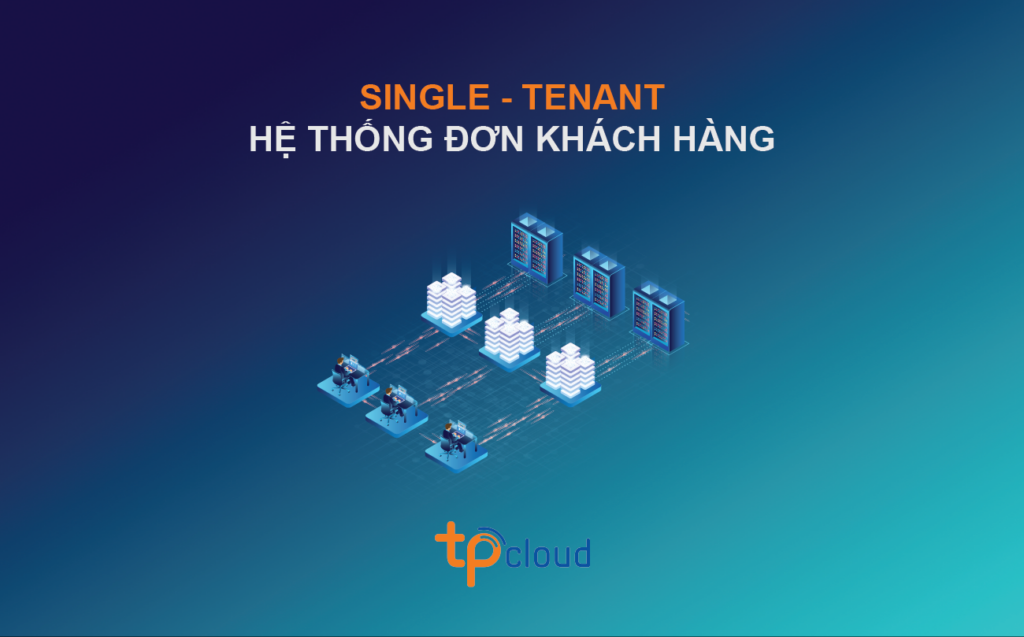
Single-tenant is a form of software where a customer rents or owns their own system, which includes the application, database, and possibly their own hardware. The system can be customized to meet the customer’s needs.
Single-tenant is often deployed in software-as-a-service (SaaS) distribution models or in cloud services. In the single-tenant model, a customer—referred to as the tenant—will have a single instance of the SaaS application that is unique to them.
In the single-tenant model, the hosting provider supports dedicated software version management and infrastructure, while the single-tenant retains almost complete control to customize the software and infrastructure.
Some common characteristics of the single-tenant model are that they tend to offer a high degree of user interaction and control, as well as reliable security and backup capabilities.
Because the tenants are in a separate environment from each other, they are not bound in the same way as in the conventional way which tenants sharing infrastructure (multi-tenant) will have.
Potential customers may choose single-tenant over other viable options for greater control and flexibility in their environment to address specific requirements.
How does single-tenant work?
In the single-tenant model, each tenant will have their own unique database and software version. In this way, each tenant’s data will be isolated from each other. Additionally, the model is designed to only allow on a single SaaS server. Each software package can be built to the new tenant’s needs, or the tenant can customize the user interface (UI) after installation.
Once the software is installed locally, the tenant can typically customize the software to best suit their specific environment needs, but they do not have access to any of the underlying code.
Each client’s data should also have a separate backup so that if any data loss occurs, the client can easily restore their data. Additionally, customers can choose when to install any available updates themselves instead of waiting for the service provider to do so.
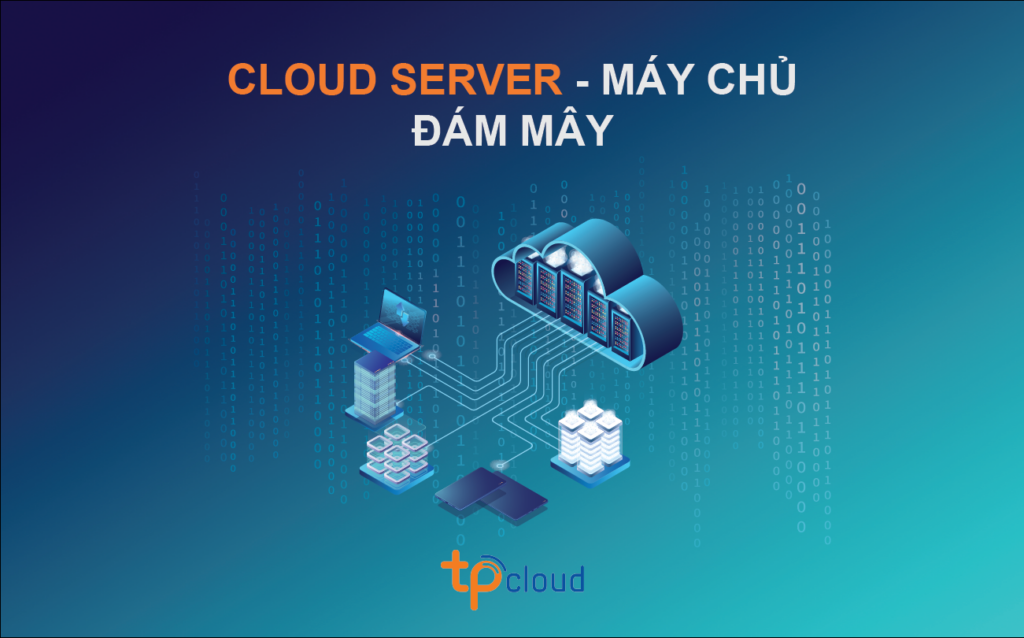
The use of single-tenant forms in cloud computing is also very common. In most cases, if someone is using a private cloud or a third-party cloud service, it is very likely a single-tenant system. Because only one individual will be the sole customer with access to that version, with management and security options as well as personal controls.
Benefits of Single-tenant?
Although single-tenant is less commonly used, it still has some notable benefits that keep it open as an option when deciding on a service type, such as:
Lul
Li
Single-tenant via cloud service or SaaS.
Li
ul
/>
-
Data is independent from other potential customers with the same provider.
-
Data security. Even if there is a data breach for a customer with the same service provider, another tenant will be safe from breaches because the data is stored in a separate version.
Because all customer data is separate, there can be a high degree of customization for software and hardware versions.
Single-tenant versions are considered reliable because performance is based on only one version instead of multiple versions from different tenants. />
-
Restore and recover from a carpet crash. Isolated backups allow users to quickly trigger a recovery if a crash occurs and data is lost.
-
Single-tenant can also migrate itself from the server environment if needed.
Limitations of Single-tenant?
Despite all the potential advantages of the single-tenantformula, it remains a less commonly used choice among competing forms, possibly due to some of its drawbacks:
-
Between resource customization, setup time, and maintenance of hosting a single instance The price of a SaaS per customer can vary.
-
-
Because customers are often also the administrators of the single-tenant system, it takes more time to update, upgrade, or manage something.
-
-
Learning curves can appear when first starting to deploy and customize a one-time rental SaaS.
-
-
In a poorly optimized system, no Not all resources can be used, which makes the system less efficient.
-
-
If in a SaaSproduct or cloud service, the service will be able to meet any requirements for future workloads.
-
-
Initial startup time. Single-tenant environments involve significant startup time because the software must be built or customized for each customer.
-
-
Resources for maintenance. Single-tenant environments tend to require more maintenance and upkeep, meaning end users should have the necessary resources and time for maintenance.
-
Because the underlying code of a single-tenant SaaS application is blocked from policy extensions and third-party integrations, it may require administrative support from the hosting service.
-
-
Requirements for Single-tenant?
-
-
-
-
-